Aging and Yoga: How Practicing Yoga Can Help You Feel Better As You Age
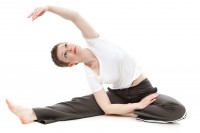 This morning as I sat down with my first cup of coffee, I opened my laptop to Google News, quickly glancing over the usual plethora of eye-catching headlines about fires, guns and violence. Yet something more hopeful and relevant to me immediately caught my eye. It was a blog posted in The New York Times about practicing yoga after the age of 50. Bingo.
I've written about the importance of yoga as we age before (See Yoga: Giving Yourself the Gift of Good Health and How Invictus Teaches Us to Learn From Life's Lessons). Yet since the mission of An Empowered Spirit is to educate and enlighten you about living a healthy and vibrant life after 50, I thought I'd write about it again.
I've been practicing yoga on and off for 10 years. This past year I got more serious in my practice; gentle yoga was my class of choice due to my physical limitations. Yet I was forced to take a sabbatical due to bursitis and an impinged nerve in my shoulder.
I feel the difference in my body since taking this break, and I am not a happy camper.

Yoga has given me greater flexibility when I walk, and better balance despite a numb right leg. The constant MS fatigue that disrupts my day was helped by frequent bursts of energy that I hadn't felt in years. I felt more spiritually grounded through our class meditations, and made social connections that I enjoyed with like-minded classmates.
As Dr. Loren Fishman, a Manhattan back pain specialist who uses yoga as rehabilitation in his practice points out, " I suspect that yoga was at times an old person’s sport, and that it has prolonged the life and liveliness of people over the millennia. Designed appropriately and taken in proper dose, it is certainly safe."
I've heard many stories from people who say yoga has given them a better quality of life despite the physical setbacks they've experienced. People who've had hip or knee surgery, troubles with their back and shoulder and even people battling cancer have all been in my class at one time or another. They credit yoga with giving them a fuller life by feeling and looking better.
As Carrie Owerko, a New York based teacher who has practiced for years said, "Yoga can be practiced fully and deeply at any age,” she said, with an added caution that “the practice has to change as the body changes.”
As we age and our body changes, mobility and range of motion may become impaired. The practice of yoga should be personalized to fit the needs of the student, sometimes requiring the use of a chair for better balance, or other necessary modifications. The student should be aware of any physical limitations, skipping any poses that may cause a problem.
I always begin my yoga practice with a ten minute warmup session, stretching my tight muscles to avoid injury.
Roger Cole, a yoga teacher and San Francisco psychologist emphasized, "a regular yoga practice can help the body maintain a high level of flexibility into midlife and beyond. If a student continues the same practice as much as possible without interruption through the 50s and beyond, he or she will see a gradual decline in certain abilities, but not necessarily a decline in flexibility."
Reading this New York Times blog has made me realize how much I want to finish up my physical therapy sessions and get back to the yoga practice I miss.
What do you do to maintain flexibility and balance as you age?
==============================
DISCLAIMER: Comments from An Empowered Spirit are brought to your attention on topics that could benefit you and should be discussed with your doctor or other medical professional. I am not medically trained and my posts are of a journalistic nature and not in lieu of medical advice. An Empowered Spirit and its author will not be held liable for any damages incurred from the use of this blog or any data or links provided.
Related articles


